




Ihr Reiseerlebnis mit Galapagos PRO
Tag 1
Ankunft auf der Insel Baltra
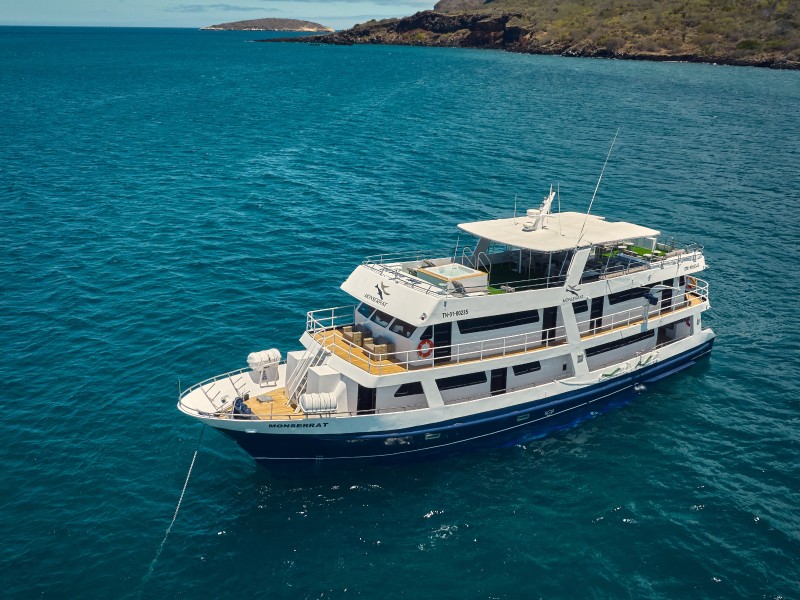
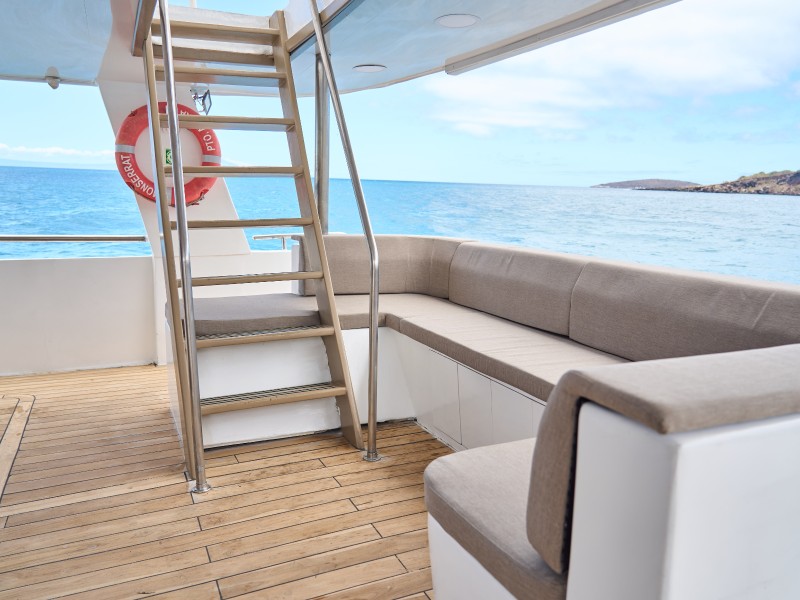
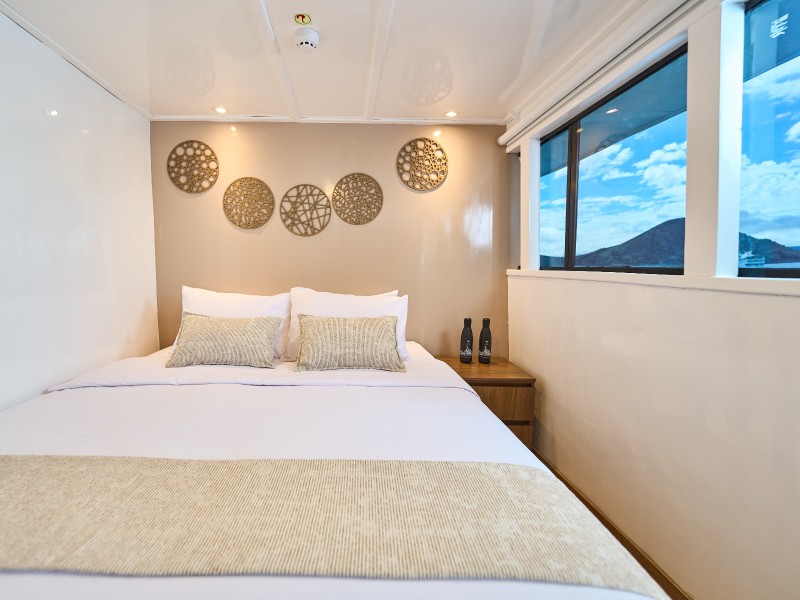
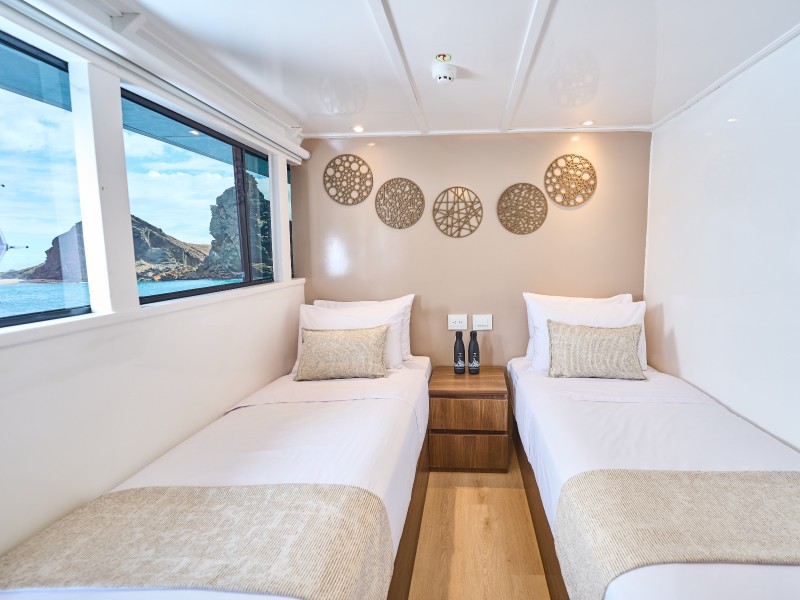
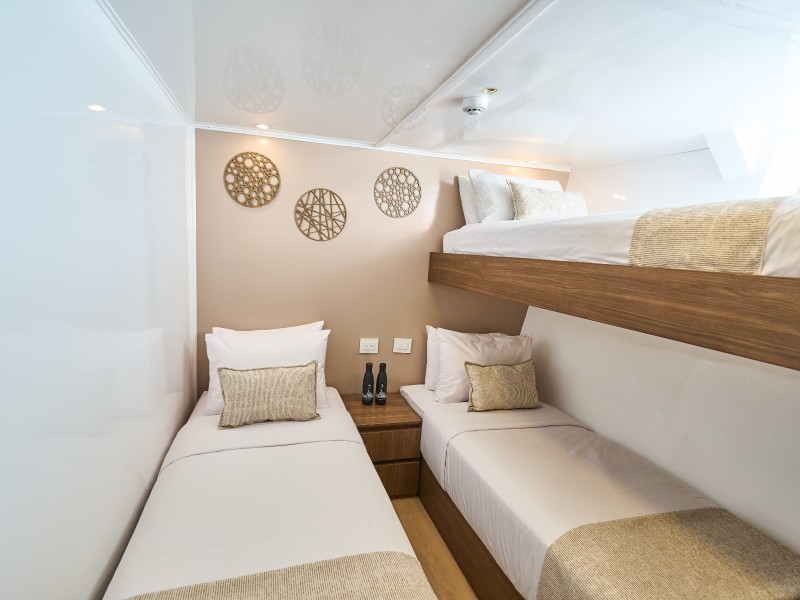
Sie werden morgens am Flughafen in Baltra eintreffen, wo Sie von der Crew empfangen werden. Ihr Reiseleiter begleitet Sie dann zum Schiff und Sie werden über die kommenden Tage informiert und können sich in den Kabinen einrichten.
Dragon Hill, Insel Santa Cruz
Nachmittags: Der Drachen Berg repräsentiert einen großen Erfolg in der Geschichte der Instandhaltung und Schutz der Natur der Galapagos Inseln. Bis 1975 waren fast alle Landechsen des Drachen Bergs ausgelöscht, da eingeschleppte Hunde sie jagten und die Anzahl drastisch dezimierten. Mit dem Zuchtprogramm der Galapagos Inseln konnte die Population wieder gesteigert werden und schon 1991 wurde die letzte in Gefangenschaft geborene Landechse in die Freiheit entlassen. Seither kontrollieren die Zuchtstationen Populationen und versuchen die Population der Arten so gut wie möglich wiederherzustellen und zu unterstützen. Aber nicht nur der Berg hat viel zu bieten, schon die Küste ist beeindruckend! Der felsige Strand ist ein schöner Ort um die Unterwasserwelt kennen zulernen und Rochen, Haie und grüne Meeresschildkröten zu sehen. Am Fuße des Berges kommen Sie an zwei Salzwasserlagunen vorbei, wo Sie den einen oder anderen Flamingo sehen können und treffen während der kleinen Wanderung nach oben vielleicht auch noch auf Darwin Finken und Spottdrosseln.
Tag 2
Buccaneer Cove, Insel Santiago
Vormittag: Zu Zeiten der Piraterie im 16. Jahrhundert wurde diese Höhle an der nordwestlichen Küste Santiagos von Piraten und Freibeutern genutzt, um hier zu rasten, frisches Wasser zu besorgen und die Essensvorräte aufzufüllen. Von hier aus biet es sich am besten an ins Inland zu gehen, um Wasser zu finden und Schildkröten als Proviant auf das Schiff zu bringen, da das Schiff gut geschützt und unentdeckt in der Höhle stand. Heutzutage nisten zahlreiche Galapagos Vogelarten an den Klippen der Höhle und kreisen in den Lüften über dem roten Strand der Insel. Hier kann man auch großartig Schnorcheln und am Strand mit dem einen oder anderen Seelöwen oder Fellrobben entspannen.
Puerto Egas, Insel Santiago
Nachmittag: Der schwarze Strand entlang der Nordwestküste der Insel Santiago ist eine großartige Sicht, schon vom Schiff aus. Nach der Ankunft am Strand landen zwei Pfade zu einem Spaziergang ein. Der eine führt Sie entlang der Küste zu "Fellrobben Grotte", hier liegen Fellrobben im Schatten und ruhen sie sich auf den Kühlen Steinen der Küste von der starken Sonne aus. Die Grotte bietet dafür einen exzellenten Ort und die umliegenden Becken der Flut ziehen Meeresechsen an, die darin nach Futter suchen. Der zweite Pfad führt Sie zum Pan de Azucar Vulkan der Insel, er ist dafür verantwortlich, dass der Strand schwarz gefärbt ist. Der Krater des Vulkans ist mit Salzwasser gefüllt, der bei heißem Wetter austrocknet und eine trockene Salzlandschaft hinterlässt. Zwischen 1928 und 1930 überlegte man eine Salz-Mine anzulegen, jedoch entschied man sich dagegen, da es nicht realisierbar und lukrativ war. In der Lagune halten sich oft Galapagos Flamingos andere Vögel wie der Galapagos Falke, der in hohen Lüften über der Landschaft kreist.
Tag 3
Punta Vicente Roca, Insel Isabela
Vormittag: Als einer der besten Orte um zu Schnorcheln oder zu Tauchen im Galapagos Archipel haben Sie hier die Chance eine atemberaubende Unterwasserwelt zu bestaunen. Direkt vom Boot aus geht es für Sie ins Wasser und mit einem Schnorchel ausgestattet unter die Wasser Oberfläche. Doch auch die Landschaft hier ist großartig, blicken Sie auf die Klippen und Höhlen der zwei Vulkane die diese formten. Die Bucht liegt geschützt vor Wellen, was Ihnen die Möglichkeit gibt auch mit wenig Erfahrung hier ungestört und in Ruhe zu Schnorcheln. Halten Sie Ausschau nach Walen, Delfinen, Galapagos Seelöwen, Tunfischen, Blaufußtölpeln und vielen anderen Küstenvögeln. Wenn es möglich ist, können Sie mit einem Beiboot auch einige der Höhlen erkunden und auf Kormorane oder Fellrobben treffen.
Punta Espinoza, Insel Fernandina
Nachmittag: Als eine der jüngsten Inseln, entstanden vor ca. 700 000 Jahren, ist Fernandina zudem die einzige Insel, die weder von Säugetieren noch von anderen Spezies neben den Endemischen besiedelt wurde und ist daher eines der wenigen unberührten Ökosysteme der Welt. Der Vulkan "La Cumbre" brach 2005 das letzte Mal aus und beherrscht die Landschaft mit Lavafeldern bis zum Ozean. Das Highlight der Insel ist der Nistplatz des einzigartigen flugunfähigen Kormoran. Zudem haben Sie hier im Norden der Insel die Chance Galapagos Seelöwen, Meerechsen und einige Galapagos Pinguine zu sehen. Mit ein wenig Glück können Sie am Himmel auch einen Galapagos Falke über Ihren Köpfen kreisen sehen.
Tag 4
Urbina Bay, Insel Isabela
Vormittags: An der Ostkünste der Insel Isabela liegt Urbina Bay, eine der jüngsten Buchten der Galapagos Inseln. Geformt 1954, durch einen Auftrieb der Küste und wurde um 5 Meter nach oben gedrückt. Dadurch kamen verschiedenste Korallen an die Oberfläche die nun bestaunt werden können. Jedoch wird diese Sicht nicht mehr lange bestehen, da die Luft das Korallenriff zerstört. Nach einer Nasslandung in der Bucht geht es für Sie auf einen 3,5 Kilometer langen Marsch ins Innere der Insel. Hier sehen Sie mit einer hohen Wahrscheinlichkeit Riesenschildkröten und Landleguane die es nur auf den Galapagos Inseln gibt. Wie der Weg wieder zurück an die Küste führt, treffen Sie auf flugunfähige Kormoran Kolonien. Die Bucht bietet einen fantastischen Platz um zu Schnorcheln und um Galapagos Meerechsen beim fressen Unterwasser zu sehen.
Tagus Cove, Insel Isabela
Nachmittags: Sie unternehmen einen Ausflug zur berüchtigten Tagus Cove – ein über Jahrhunderte hinweg beliebter Ankerplatz von Piraten und Walfängern. In der tiefblauen Bucht brüten Pinguine, flugunfähige Kormorane, Noddi-Seeschwalben, Sturmtaucher und Blaufußtölpel. Ein steiler Pfad durch trockene Balsambaumwälder und Kakteen führt zu einem extrem salzhaltigen, grünen Kratersee (Laguna Darwin). Meeresschildkröten und Meeresechsen wissen die nahrungsreiche Bucht zu schätzen, so dass sich die Bucht trotz der vielen grünen Algen zum Schnorcheln bestens eignet.
Tag 5
Black Turtle Cove, Insel Santa Cruz
Vormittag: Dieser kleine geheime Zufluchtsort, im Norden der Insel Santa Cruz, kann nur mit dem Beiboot erreicht werden und sobald der Motor ausgeht und Sie durch die Gewässer treiben, hören Sie die Klänge der Natur. Umringt von Mangrovenbäumen und einer vielfältigen Meeresfauna, mit fressenden Meeresschildkröten im ruhigen flachen Wasser und verschiedenen Haien und Galapagos Rochen. Dieser etwas andere Spot für Besucher zeigt die etwas andere Seite der Galapagos Inseln, weit weg von den lauten Wellen der Küste und den bellenden Seelöwen.
Abreise von der Insel Baltra
Sie erreichen den Hafen von Baltra. Von dort aus fahren Sie entweder zum Flughafen und treten Ihren Rückflug zum Festland an oder Sie fahren mit Ihrem individuellen Galapagos-Programm fort.