





Ihr Reiseerlebnis mit Galapagos PRO
Tag 1
Ankunft auf der Insel Baltra
Sie werden morgens am Flughafen in Baltra eintreffen, wo Sie von der Crew empfangen werden. Ihr Reiseleiter begleitet Sie dann zum Schiff und Sie werden über die kommenden Tage informiert und können sich in den Kabinen einrichten.
Hochland, Insel Santa Cruz
Nachmittags: Als einzige Insel, die alle Vegetationszonen für Besucher zugänglich macht, ist sie ein großartiger Ort für einen kleinen Ausflug ins Hochland. Schon vom Strand aus werden Sie von einer großartigen Flora und Fauna begrüßt, die Ihnen bis auf den höchsten Punkt der Insel folgt. Die Busreise führt Sie entlang der Landwirtschaft der Insel und geht fließend über in die grünen, nebelbedeckten Wälder. Sie erleben hier einen starken Kontrast zu den anderen Inseln, welche weniger Höhe und mehr Trockenheit aufweisen. Besuchen Sie gemeinsam mit Ihrem Reiseleiter verschiedene Orte hier im Hochland wie das Riesenschildkröten-Reservat und die bekannten Lavaröhren. Freuen Sie sich auf eine atemberaubende Landschaft und einen kurzen Spaziergang mit unvergesslichen Phänomenen.
Tag 2
Las Tintoreras, Insel Isabela
Vormittags: Unmittelbar vor dem Hafen von Puerto Villamil, auf der größten Insel Isabela, ragt eine Inselgruppe aus dem Ozean hervor. Die gezackten schwarzen Formationen, die mit Mangroven und Kandelaberkakteen übersät sind, sind die Reste eines Lavastroms, der vor Jahrtausenden in den Ozean gelangt ist. Inzwischen wurde dieser von den Wellen ausgehöhlt und heute bildet eine kollabierte Lavaröhre einen Kanal, der sich während der Flut füllt und während der Ebbe den Kanal abschließt. Das Meeresleben wird im Kanal zurückgehalten, einschließlich der spektakulären Weißspitzen-Riffhaie (auf Spanisch "Tintoreras" genannt). Diese Haiart kommt im Archipel ziemlich häufig vor und wird beim Schnorcheln meist auf dem Meeresgrund entdeckt, während sie sich von ihren nächtlichen Jagden erholen. Aber an diesem einzigartigen Ort können Sie bequem vom Ufer aus die verschiedenen Tiere im kristallklaren, türkisfarbenen Wasser beobachten. Manchmal können Sie Schildkröten und elegante Weiß-gefleckte Adler- oder Goldrochen durch den ruhigen Kanal gleiten sehen, sowie kleinere Fische und Galapagos-Seelöwen. Die felsige Küste mit ihren Gezeiten-Lebensraum zieht auch rote Klippenkrabben, Lava Reiher und Galapagos Pinguine an.
Los Humedades - The Wetlands, Insel Isabela
Nachmittags: Es ist eins der wichtigsten Feuchtgebiete der Galapagos Inseln. Mit Mooren und Lagunen finden sich hier viele Dinge zum Bestaunen. Wandeln entlang dem Pfand auf gutem Boden oder einem Holzsteg und beobachten Sie verschiedenste Vögel, wie Flamingos, Galapagos Finken, Galapagos Tauben, Galapagos Spottdrosseln und auch Meerechsen. Wer sich für die Flora des Feuchtgebietes interessiert wird auch hier nicht enttäuscht. Dies ist einer der wenigen Orte, an welchem man alle vier Mangrovenarten betrachten kann. Diese Mangroven sind nicht nur wichtig für die Bewohner des Feuchtgebietes, sondern sie schützen auch die Küste vor den aufschlagenden Wellen des Meeres.
Tag 3
Punta Moreno, Insel Isabela
Vormittags: Nach einer kurzen Fahrt im Schnellboot entlang der steinigen Küste erreichen Sie die Bucht auf der Insel Isabela. An Land angekommen haben Sie eine fantastische Aussicht auf die Lavafelder des Vulkans Cerro Azul. Wandern Sie durch die fremden Lande mit Ihrem Reiseleiter, blicken Sie auf die Lagunen und Becken, die durch die Flut hervorkommen und die Mangrovenbäume der Lavalandschaft. Diese Oase bietet eine großartige Heimat für einige Vogelarten und Meeresschildkröten oder Haie genießen das Wasser in den Becken der Flut, die Sie durch das klare Wasser wunderbar bestaunen können. Halten Sie auf dem Rückweg Ausschau nach Galapagos Pinguinen, verschiedenen Vögeln wie auch Reiher oder auch Galapagos Flamingos. Dieser tolle Ausflug gibt Ihnen die Chance Meeres- wie Landbewohner zu erblicken und durch eine atemberaubende Landschaft zu laufen.
Punta Mangle, Insel Fernandina
Nachmittags: Zwischen den beeindruckenden neuen Lavafeldern der Insel Fernandina verbirgt sich eine von Mangroven umgebene Bucht. Ein lohnender Ort für die Vogelbeobachtung, denn in der Bucht trifft das Land auf das Meer und verbindet die beiden Lebensräume, in denen See-, Küsten- und Landvögel leben. Die verschiedenen Arten von Mangroven: Rote, Weiße und Schwarze Mangroven haben ein Wurzelsystem gebildet, das als Kinderstube für viele Fischarten dient, darunter Junghaie und grüne Meeresschildkröten. Schnorcheln ist ebenso lohnend, denn man kann hier Meeresleguane beobachten, die sich von Algen ernähren, oder flugunfähige Kormorane, die nach ihrer Beute tauchen.
Tag 4
Punta Espinoza, Insel Fernandina
Vormittags: Als eine der jüngsten Inseln, entstanden vor ca. 700 000 Jahren, ist Fernandina zudem die einzige Insel, die weder von Säugetieren noch von anderen Spezies neben den Endemischen besiedelt wurde und ist daher eines der wenigen unberührten Ökosysteme der Welt. Der Vulkan "La Cumbre" brach 2005 das letzte Mal aus und beherrscht die Landschaft mit Lavafeldern bis zum Ozean. Das Highlight der Insel ist der Nistplatz des einzigartigen flugunfähigen Kormorans. Zudem haben Sie hier im Norden der Insel die Chance Galapagos Seelöwen, Meerechsen und einige Galapagos Pinguine zu sehen. Mit ein wenig Glück können Sie am Himmel auch einen Galapagos Falke über Ihren Köpfen kreisen sehen.
Tagus Cove, Insel Isabela
Nachmittags: Sie unternehmen einen Ausflug zur berüchtigten Tagus Cove – ein über Jahrhunderte hinweg beliebter Ankerplatz von Piraten und Walfängern. In der tiefblauen Bucht brüten Pinguine, flugunfähige Kormorane, Noddi-Seeschwalben, Sturmtaucher und Blaufußtölpel. Ein steiler Pfad durch trockene Balsambaumwälder und Kakteen führt zu einem salzhaltigen, grünen Kratersee (Laguna Darwin). Meeresschildkröten und Meeresechsen wissen die nahrungsreiche Bucht zu schätzen, so dass sich die Bucht trotz der vielen grünen Algen zum Schnorcheln bestens eignet.
Tag 5
Buccaneer Cove, Insel Santiago
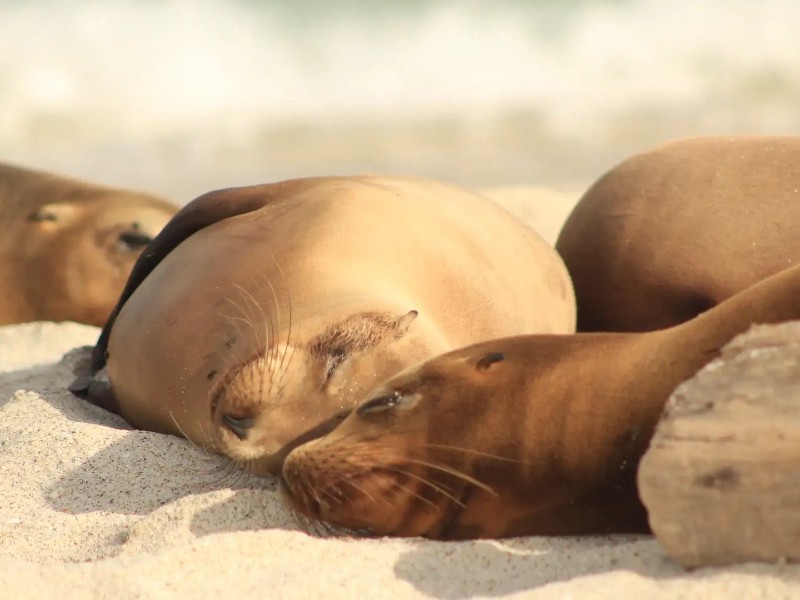
Vormittags: Zu Zeiten der Piraterie im 16. Jahrhundert wurde diese Höhle an der nordwestlichen Küste Santiagos von Piraten und Freibeutern genutzt, um hier zu rasten, frisches Wasser zu besorgen und die Essensvorräte aufzufüllen. Von hier aus biet es sich am besten an ins Inland zu gehen, um Wasser zu finden und Schildkröten als Proviant auf das Schiff zu bringen, da das Schiff gut geschützt und unentdeckt in der Höhle stand. Heutzutage nisten zahlreiche Galapagos Vogelarten an den Klippen der Höhle und kreisen in den Lüften über dem roten Strand der Insel. Hier kann man auch großartig Schnorcheln und am Strand mit dem einen oder anderen Seelöwen oder Fellrobben entspannen.
Puerto Egas, Insel Santiago
Nachmittags: Der schwarze Strand an der Nordwestküste der Insel Santiago ist schon vom Boot aus ein toller Anblick. Am Strand angekommen Spaziergang ein. Einer führt Sie entlang der Küste zur "Pelzrobbengrotte", wo sich Pelzrobben im Schatten auf den kühlen Steinen der Küste von der starken Sonne ausruhen. Die Grotte ist ein hervorragender Ort dafür, und die umliegenden Gezeitentümpel locken Meeresechsen an, die dort nach Nahrung suchen.
Der zweite Weg führt Sie zum Vulkan Pan de Azucar, der für die schwarze Färbung des Strandes verantwortlich ist. Der Krater des Vulkans ist mit Salzwasser gefüllt, das bei heißem Wetter austrocknet und eine trockene Salzwasserlandschaft hinterlässt. Zwischen 1928 und 1930 wurde ein Salzbergwerk in Erwägung gezogen, aber wegen mangelnder Rentabilität wieder verworfen. Die Lagune ist häufig Heimat von Galapagos-Flamingos und anderen Vögeln wie dem Galapagos-Falken, der hoch über der Landschaft kreist.
Tag 6
Insel Bartolomé
Vormittags: Als eines der beliebtesten Ausflugsziele für Besucher der Galapagos Inseln ist Bartolomé bekannt für seinen Doppelstrand. Das beliebte Fotomotiv kann von einer Plattform, die über einen Pfad vom Strand aus zu erreichen ist, bestaunt werden. Der Pfad führt knapp einen Kilometer mit vielen errichteten Holzstufen nach oben, doch seien Sie versichert, dass sich der Anstieg lohnt. Von hier aus haben Sie nicht nur einen großartigen Blick auf den Doppelstrand, sondern auch auf den Pinnacle Rock, der 120 Meter spitz zulaufend in die Höhe ragt. Zudem können Sie von hier Sullivan Bay, die kleine Insel Daphne Major und Daphne Minor erblicken. Beobachten Sie auf Ihrem Rückweg die verschiedenen Felsenformationen, die von der Lava geformt wurden, wie Tuffsteinkegel oder verschiedenes Gestein. Die Insel ist außerdem ein gutes Beispiel dafür, wie sich die Umwelt an ihre Umstände anpasst. Achten Sie auf die Pflanzen, die hier wachsen, sie mögen so aussehen, als hätten sie keine Blätter, doch beim genaueren Hinsehen erkennt man kleine weiße Härchen, die das Licht reflektieren, damit die Pflanze Wasser speichern kann. Am Strand haben Sie dann die Möglichkeit in Unterwasserhöhlen zu Schnorcheln und auf Haie, Rochen und tropische Fische zu treffen. Mit etwas Glück schwimmt vielleicht auch der ein oder andere Pinguin vorbei.
Sullivan Bay, Insel Santiago
Nachmittags: Im Osten der Insel Santiago erreichen Sie den weißen Korallenstrand der Sullivan Bucht. Obwohl dieser Strand Ihr volles Augenmerk verdient hätte, wird Sie der Tag mit einem anderen Höhepunkt überraschen: Der erkalteten Lavadecke Santiagos. Vor knapp 100 Jahren flossen hier Lavaströme quer über die Insel und hinterließen unterschiedliche Bodenformen: geflochtene und fadenziehende Lavafelder wechseln sich mit scharfkantig gezackten Formationen ab. Spüren Sie die warmen Steine der schwarzen, unwirklichen Lavalandschaft unter Ihren Händen und versetzen Sie sich zurück in die Entstehungszeit, als hier Vulkane wüteten und letztendlich ein Paradies schufen.
Tag 7
Inselchen Sombrero Chino
Vormittags: Den Namen bekommt die kleine Insel von ihrer Form, denn wenn man von Norden auf die Insel zukommt, so sieht sie aus wie ein traditioneller chinesischer Hut. Die Insel liegt in der Nähe der Insel Santiago und das Meer zwischen den Inseln ist dadurch gut geschützt, was es dem Besucher erlaubt, tief in das blaue Wasser blicken zu können. Auf der Insel gibt es die Möglichkeit einem kurzen Pfad entlang der westlichen Küste zu gehen und die beeindruckende Landschaft zu erblicken. Zu sehen gibt es hier Vulkangesteine und Rückstände von Lava, die hier einst floss. Die Atmosphäre und Gesteine der Insel erinnern an das, was die Galapagos Inseln einst waren. An den Küsten der Insel sonnen sich Seelöwen und Galapagos Pinguine oder sie suchen Zuflucht von der Sonne und kühlen sich im Schatten ab. In den Lüften der Insel könnten Sie den einen oder anderen Galapagos Falken über Ihren Köpfen kreisen sehen. Einer der Hauptgründe diese Insel zu besuchen ist jedoch das Meer, das sie umgibt. Es ist ein fantastischer Ort um zu Schnorcheln und Meeresbewohner wie Haie, Rochen und verschiedenste tropische Fische zu entdecken. Da nicht alle Boote eine Erlaubnis haben diese Insel anzufahren, lohnt es sich in jedem Fall umso mehr.
Cerro Dragon, Insel Santa Cruz
Nachmittags: Der Drachen Berg repräsentiert einen großen Erfolg in der Geschichte der Instandhaltung und Schutz der Natur der Galapagos Inseln. Bis 1975 waren fast alle Landechsen des Drachen Bergs ausgelöscht, da eingeschleppte Hunde sie jagten und die Anzahl drastisch dezimierten. Mit dem Zuchtprogramm der Galapagos Inseln konnte die Population wieder gesteigert werden und schon 1991 wurde die letzte in Gefangenschaft geborene Landechse in die Freiheit entlassen. Seither kontrollieren die Zuchtstationen Populationen und versuchen die Population der Arten so gut wie möglich wiederherzustellen und zu unterstützen. Aber nicht nur der Berg hat viel zu bieten, schon die Küste ist beeindruckend! Der felsige Strand ist ein schöner Ort um die Unterwasserwelt kennen zulernen und Rochen, Haie und grüne Meeresschildkröten zu sehen. Am Fuße des Berges kommen Sie an zwei Salzwasserlagunen vorbei, wo Sie den einen oder anderen Flamingo sehen können und treffen während der kleinen Wanderung nach oben vielleicht auch noch auf Darwin Finken und Spottdrosseln.
Tag 8
Black Turtle Cove, Insel Santa Cruz
Vormittags: Dieser kleine geheime Zufluchtsort, im Norden der Insel Santa Cruz, kann nur mit dem Beiboot erreicht werden und sobald der Motor ausgeht und Sie durch die Gewässer treiben, hören Sie die Klänge der Natur. Umringt von Mangrovenbäumen und einer vielfältigen Meeresfauna, mit fressenden Meeresschildkröten im ruhigen flachen Wasser und verschiedenen Haien und Galapagos Rochen. Dieser etwas andere Spot für Besucher zeigt die etwas andere Seite der Galapagos Inseln, weit weg von den lauten Wellen der Küste und den bellenden Seelöwen.
Abreise von der Insel Baltra
Sie erreichen den Hafen von Baltra. Von dort aus fahren Sie entweder zum Flughafen und treten Ihren Rückflug zum Festland an oder Sie fahren mit Ihrem individuellen Galapagos-Programm fort.