



Ihr Reiseerlebnis mit Galapagos PRO
Tag 1
Ankunft auf der Insel Baltra
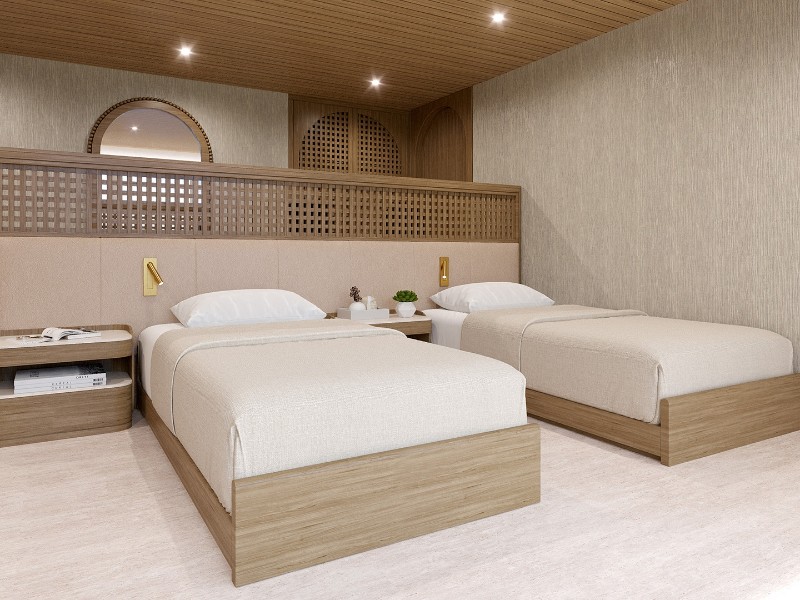
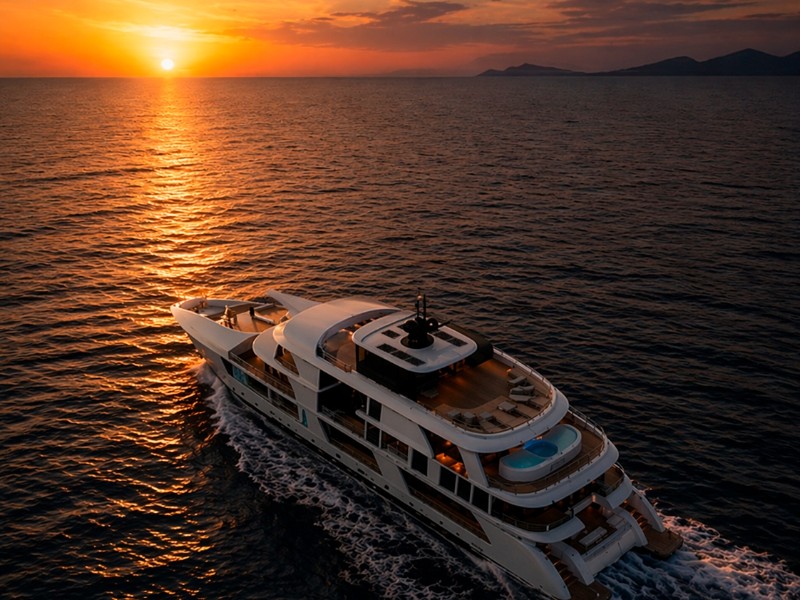
Sie werden morgens am Flughafen in Baltra eintreffen, wo Sie von der Crew empfangen werden. Ihr Reiseleiter begleitet Sie dann zum Schiff und Sie werden über die kommenden Tage informiert und können sich in den Kabinen einrichten.
Santa Cruz Island, Bachas Beach
Nachmittags: Der blendend weiße Bachas Beach, der sich entlang der Küste der Insel Santas Cruz schlängelt, scheint voller Leben zu sein. Aber auch die türkisfarbene Bucht und die symmetrische Tuff-Kegel-Insel von Daphne Major ziehen die Blicke auf sich. Viel näher in Ihrem Blickfeld, in den Gezeitentümpeln zu Ihren Füßen, laufen die orange-roten Klippenkrabben auf dem dunklen Untergrund des Basaltfelsens umher. Nach ein wenig Fußweg erreichen Sie eine Lagune in den Dünen, die Heimat von verschiedenen Arten von Wat- und Küstenvögeln ist, einschließlich Schwarzhalsstelzen, Weißwangenspitzenten (oder Bahama-Enten) und Jagdreihern. Zugvögel, die im Winter auf Galapagos überwintern, wie zum Beispiel Regenbrachvögel, halten sich ebenfalls in dieser Lagune auf. Sobald der Wasserstand sinkt und die Lagune in der Trockenzeit salziger wird, könnten Sie sogar auf einige amerikanische Flamingos treffen, die unermüdlich dieses Wasser filtern, um nach Garnelen und Algen zu suchen. Die entlegene Nordwestküste auf der Hauptinsel Santa Cruz ist zum bevorzugten Nistplatz der pazifischen grünen Meeresschildkröten geworden. Weibchen warten nachts auf die Flut, bevor sie an Land kriechen, was eine weniger bemerkte und sicherere Art und vor allem weniger anstrengend ist.
Tag 2
Insel Genovesa, El Barranco
Vormittags: Steigen Sie eine dramatische felsige Treppe zu einem vulkanischen Plateau hinauf, das von riesigen Brutkolonien von Rotfußtölpeln, Nazca-Tölpeln und Sturmsturmtauchern wimmelt.
Insel Genovesa, Darwin-Bay
Nachmittags: Auf der Insel Genovesa liegt das Schiff in der Darwin Bay an, einem alten Vulkankrater, der jetzt vom Meer überflutet wird. Die Schlauchboote landen einem malerischen Sandstrand an, wo Galapagos Seelöwen oft auf dem feinen, weißen Sand sich ausruhen. Bei Erkundungen entlang der Küste können Sie zahlreiche Meeresleguane sehen, die wie prähistorische Dinosaurier in Miniatur aussehen. Auf einer kurzen Strecke landeinwärts begegnen Ihnen immer wieder Seevögel aller Arten und Größen. Dutzende junger Rotfußtölpel sitzen auf Zweigen in den Büschen am Wegesrand, nur eine Armeslänge entfernt. Achten Sie außerdem auf die großen Fregattvögel und gelb-gekrönten Nachtreiher entlang des Weges.
Tag 3
South Plaza Island
Vormittags: Gehen Sie über lebendige, farbenfrohe Vegetation und zerklüftetes vulkanisches Gelände, um endemische Landleguane zu entdecken, die unter hoch aufragenden Kakteen neben geschäftigen Seelöwenkolonien ruhen.
Insel Santa Fe
Nachmittags: Die 24 km² große und 60 Meter hohe Insel erreichen Sie nur mit einer Nasslandung und ist ein einzigartiger Ort in der Mitte des Archipels. Sie werden in einer unglaublichen Bucht auf die Insel kommen, gefüllt mit türkisfarbenem Wasser und umgeben von einem steinernen Riff. Die Insel ist Heimat für viele Landbewohner, wie einer der Landechsen-Arten des Archipels, Sie leben auf dieser Insel und ernähren sich von den Früchten und Blättern der Kakteen, die hier wachsen. Zudem lebt hier eine große Seelöwen-Kolonie und Galapagos Falken werden womöglich über Ihren Köpfen kreisen. Wenn Sie Interesse haben, können Sie hier auch schwimmen und schnorcheln, um die Unterwasserwelt etwas zu erkunden. Hier tummeln sich Meeresschildkröten, Seelöwen, Rochen und verschiedene tropische Fische im Wasser. Wer nicht ins Wasser möchte, kann am Ufer die Meerechsen, Galapagos Tauben oder Klippenkrabben beobachten.
Tag 4
Punta Pitt, San Cristobal
Vormittags: Punta Pitt ist ein erodierter Vulkan, er ist einer der wenigen Orte auf Galapagos, an dem Sie die drei Arten von Tölpeln, die Blau- und Rotfußtölpel und die Nazca-Tölpel entdecken können. Der Ausflug in Punta Pitt ist auf felsigem Terrain, daher sollten Sie sich auf die zwei Stunden mit bequemen Schuhen vorbereiten, um Unannehmlichkeiten zu vermeiden und diese einzigartige Landschaft genießen zu können. Nach dem Wandern kann beim Schnorcheln eine erstaunliche Vielfalt an Fischen beobachten werden und mit etwas Glück zwischen Haien schnorcheln.
Cerro Brujo, San Cristobal
Nachmittags: Der weiße Strand der Bucht vor dem Hexenhügel (Witch Hill) ist einer der schönsten des Archipels. Der Hügel selbst ist der Überrest eines vulkanischen "Tuffsteinkegels" - aus verdichteter Vulkanasche und Schutt. Zudem ist es einer der ersten Orte, die Charles Darwin auf seiner Reise besuchte. Hier sehen Sie neben einer großen arten Vielfalt an Land auch so einiges unter der Wasseroberfläche. Während eines Spaziergangs können Sie alles aufnehmen, und Tiere wie Galapagso Seelöwen, Meerechsen, Pelikane und Blaufußtölpel sehen. Wenn Sie sich dazu entscheiden, sollten zu Schnorcheln, werden Sie auch hier nicht enttäuscht. Neben Galapagos Rochen, Meeresschildkröten und den verschiedensten tropischen Fischen können Sie hier auch verschiedene Korallen im Wasser entdecken. Und auch wenn Sie nicht ins Wasser gehen wollen, so können Sie durch das klare Wasser auch vom Schnellboot aus einer Vielzahl der Unterwasserbewohner entdecken.
Tag 5
Interpretation Center, Insel San Cristóbal
Vormittags: Das Interpretationszentrum wurde 1998 im Zuge des “Interpretation and Environment Education"-Projekts eröffnet. In diesem Rahmen können Besucher verschiedene Ausstellungen über die Naturgeschichte, die Menschheitsgeschichte und den Naturschutz des Galapagos Archipels besuchen. Die Naturschutzausstellung schildert die mittels kontrollierten Tourismus sowie Geburtenkontrolle unternommenen Maßnahmen, die zum Schutz der wilden Tier- und Pflanzenarten eingeleitet wurden. Es erzählt darüber hinaus auch die Geschichte der ersten Siedler auf den Inseln. Das Interpretationszentrum verfügt außerdem über einen Außenbereich, audiovisuelle Medien sowie Konferenzräume. Es ist unweit vom Hafen entfernt und von dort gelangt man direkt auf den Weg zum Fregattvogelfelsen „Cerro Tijeretas“.
Abreise von der Insel San Cristóbal
Sie erreichen den Hafen von San Cristóbal. Von dort aus fahren Sie entweder zum Flughafen und treten Ihren Rückflug zum Festland an oder Sie fahren mit Ihrem individuellen Galapagos-Programm fort.