


Your Travel Experience with Galapagos PRO
Day 1
Transfer to the yacht
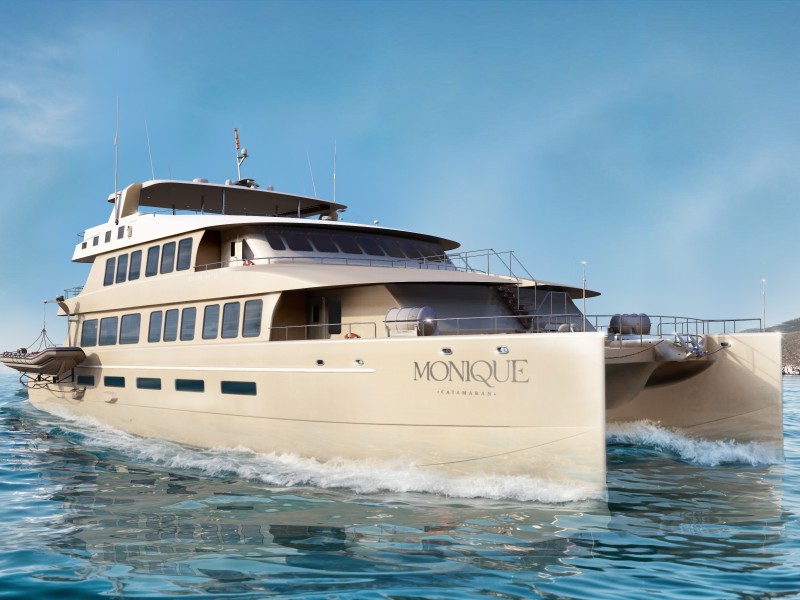
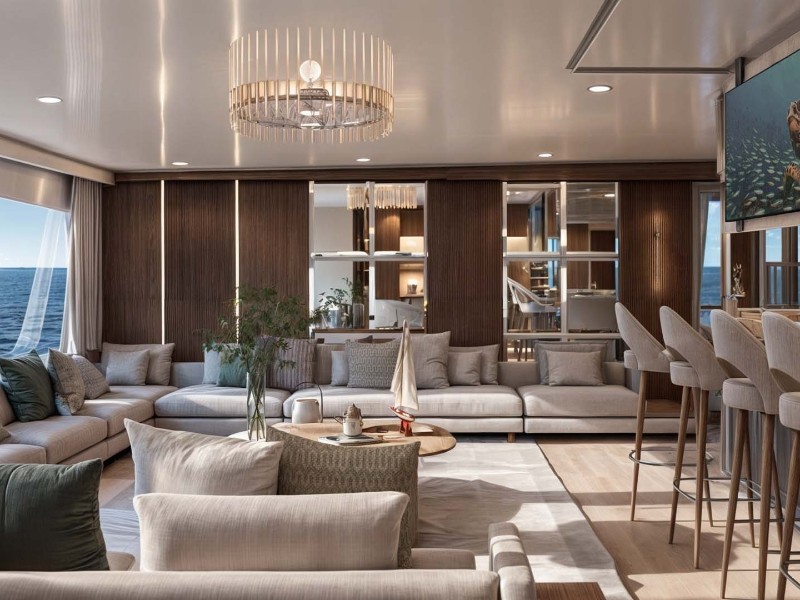
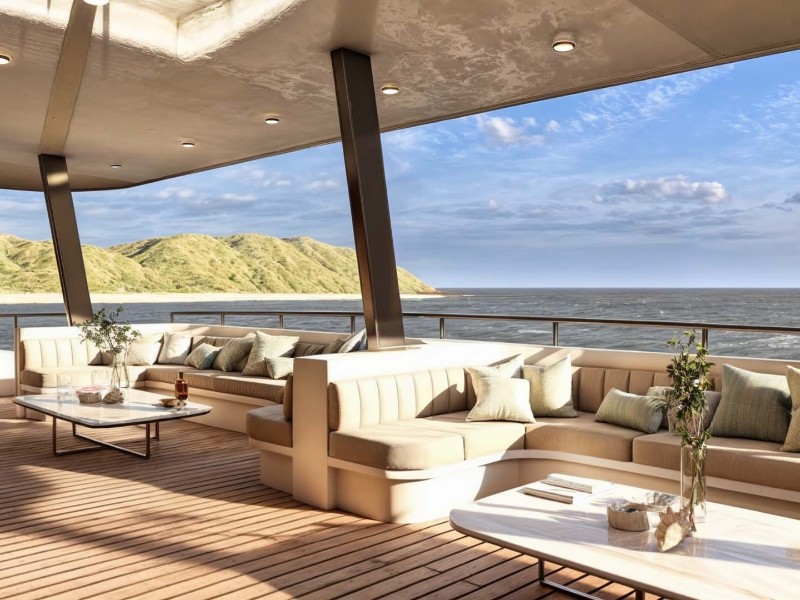
Morning: After arrival at San Cristóbal Airport, transfer to the harbour to board the Monique.
Kicker Rock, San Cristóbal
Afternoon: The famous Kicker Rock is one of the most famous features of the Galapagos Islands. This small island shape was formed from two large lava rocks that look like a sleeping lion when viewed from the south. Hence the Spanish name "León Dormido" literally the sleeping lion. As you cruise around the islands on board, the naturalist guides will point out the various birds that inhabit the island. Among them are Nazca boobies, frigate birds or even swallow-tailed gulls. And if conditions permit, you will experience one of the most magnificent sunsets in the archipelago.
Day 2
Santa Fe Island
Morning: Upon arrival at the white sand beach you will be greeted by a large colony of sea lions. A trail leads you from the beach into a forest of prickly pears and Palo Santo trees. It is not rare to spot Galapagos hawks and even owls in the salt bushes. Even harmless snakes and the endemic rice rat can be discovered with a little luck while exploring the island. Arguably the most special, however, is the Santa Fé iguana. This species differs from its peers due to its significantly lighter color and distinct dorsal spines.
Plaza Sur Island
Afternoon: One of the smallest and most colourful islands in the archipelago, Plaza Sur, or 'South Plaza' in English, is just a short sail from Santa Cruz. Reaching dry land, you will come across some of the island’s friendly sea lions, one of the many types of animals in South Plaza for you to discover. Wander by the nesting places of swallow-tailed gulls, Audubon shearwaters, red-tailed tropicbirds, masked boobies and frigatebirds. The entire island is carpeted with dense sesuvium plants. From June to November, during the colder and drier season, the plants turn a deep red colour which gives the island a dramatic, fascinating atmosphere. Watch the iguanas searching high up in the opuntia trees for fruit - a sight you'll never see anywhere else in the world.
Day 3
Bartolomé Island
Morning: One of the most popular destinations for visitors to the Galapagos Islands, Bartolomé is known for its double beach. The popular photo motif can be admired from a platform that can be reached via a path from the beach. The path leads upwards for just under a kilometre with many erected wooden steps, but rest assured that the climb is worth it. From here, you not only have a great view of the double beach, but also of Pinnacle Rock, which rises 120 metres into the air. You can also see Sullivan Bay, the small island of Daphne Major and Daphne Minor. On your way back, observe the different rock formations formed by the lava, such as tufa cones or various rocks. The island is also a good example of how the environment adapts to its circumstances. Look out for the plants that grow here, they may look like they have no leaves, but on closer inspection, you can see little white hair that reflects the light so that the plant can store water. On the beach, you then have the opportunity to snorkel in underwater caves and meet sharks, rays and tropical fish. With a bit of luck, you might even see a penguin or two swimming by.
Sullivan Bay, Santiago Island
Afternoon: To the east of Santiago Island, you will reach the white coral beach of Sullivan Bay. Although this beach deserves your full attention, the day will surprise you with another highlight: Santiago's cooled lava blanket. Almost 100 years ago, lava flows covered the island here, leaving behind diverse ground shapes: braided and thread-like lava fields alternate with sharp-edged, jagged formations. Feel the warm stones of the black, unreal lava landscape under your hands and transport yourself back to a time when volcanoes raged here, ultimately creating a paradise.
Day 4
Prince Philip’s Steps, Genovesa Island
Morning: Genovesa Island is secluded from the other main islands in the north of the archipelago and is well-known as the Bird Island.
Prince Philip's Steps are a staircase sunken into volcanic rock that leads to a plateau rich with vegetation and wildlife. True to the nickname of Bird Island, this area is home to nesting masked and blue-footed boobies, Bahama ducks, petrels and gulls amongst a host of other local species. The Galápagos horned owls bask on the warm volcanic rocks here, paying no attention the tourists around them.
Darwin Bay, Genovesa Island
Afternoon: Emerging from the narrow entrance, you'll reach Darwin Bay, surrounded by protective cliffs. Frigatebirds regularly patrol the skies here and petrels can be seen hunting coastal waters for smaller fish. The green water in the bay is evidence of a high plankton content which attracts fish and seabirds, making this wildlife-rich bay a wonderful site for snorkeling. With some luck, you may also encounter peaceful hammerheads and black spotted eagle rays.
Day 5
Black Turtle Cove, Santa Cruz Island
Morning: Black Turtle Cove is a red mangrove lagoon serving as a nursery for sharks and rays. Black Turtle Cove is a great location to observe mating sea turtles during nesting season. Travellers often see large groups of resting white-tip reef sharks, schools of golden rays and the incredibly beautiful spotted eagle rays. As the water is usually very calm, this area can be navigated using paddles instead of the loud panga engines, increasing your chances of wildlife encounters.
Transfer to the airport
The cruise will conclude in the harbor of Baltra. From there, transfer to Baltra Airport in time for your return flight to the mainland, or continue with your planned route through the Galapagos.