



Your Travel Experience with Galapagos PRO
Day 1
Arrival at Baltra Island
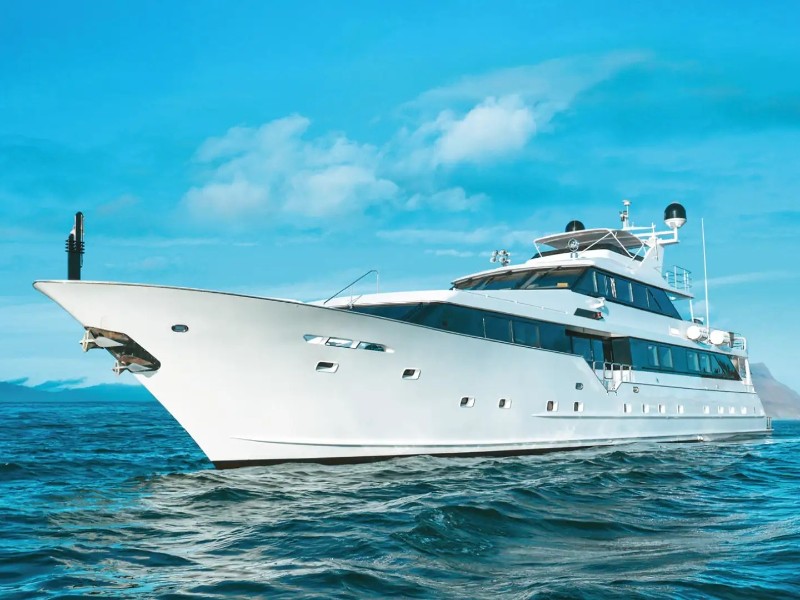
You will arrive on Baltra in the morning where your Crew will greet you and your guide will bring you to the boat. You will be informed about the coming days and get a chance to get to know the boat and your cabin.
Islet Lobos
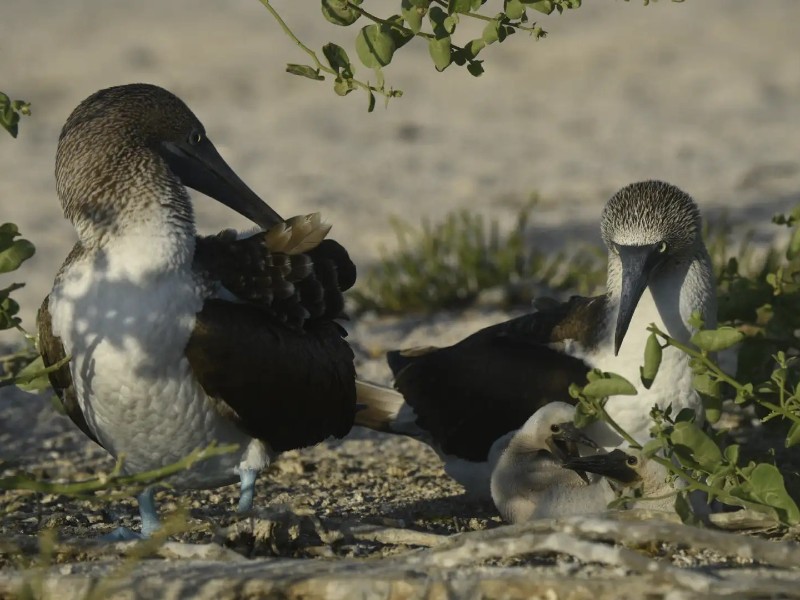
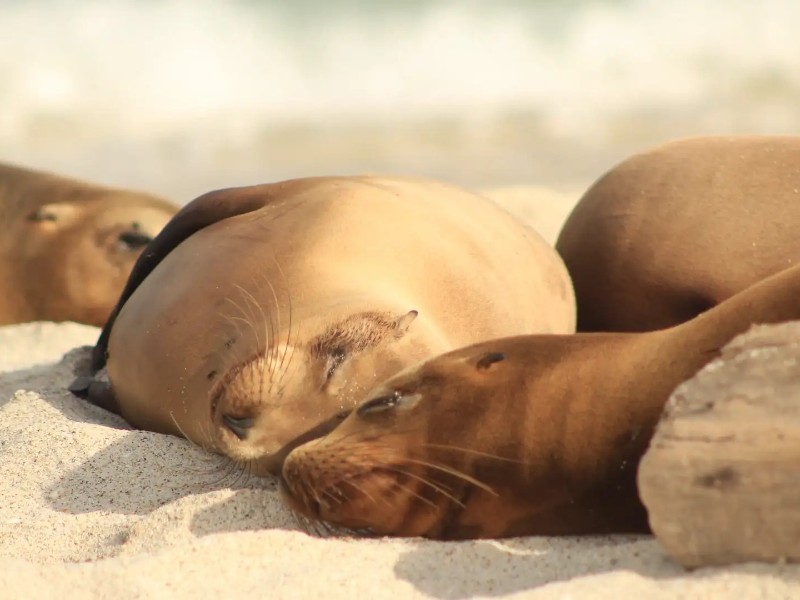
in the afternoon: The small island of Lobos, near the island of San Cristóbal, is not only home to a colony of sea lions, but also to a pair of fur seals. In the midst of these large sea dwellers, there are also nesting blue-footed boobies that raise their young here. One or two paths lead to the center of the island, where you can enjoy the tranquility of the Galapagos archipelago. It is a popular place for visitors to simply become aware of nature and the wonders of the islands.
Back on the beach, the island's position close to the island of San Cristóbal makes it an excellent snorkeling spot to marvel at the underwater world. The water is clear and calmer than in other areas of the archipelago, offering perfect conditions to see seahorses and a variety of colorful tropical fish.
Day 2
Punta Suarez, Española
in the morning: Española is a geologically interesting island where you can explore the volcanic formations and spot a lot more of the Galapagos's unique fauna. Regular sightings include large sea lion colonies and flocks of seabirds, such as the Española mockingbird, the nazca booby and the spectacular red-beaked tropicbird. There are also marine iguanas, lizards and Sally lightfoot crabs. A long hike will take you past the world's largest colony of Galapagos albatrosses! During mating season (May to December) you will have the opportunity to see the nesting area of the albatrosses and if you're lucky, you'll even get to witness their courting dance. The courting dance of the albatross is extra special as it is the start of a life-long bond for these birds who mate for life. Other interesting birds include Galapagos doves, Galapagos hawks, whip-tailed gulls. Make a final stop to admire the dramatic topography of the famous Blow Hole, catapulting seawater an impressive 23 meters into the air.
Bahía Gardner, Española
in the afternoon: Join the colony of sea lions on the beautiful white coral beach. From the shoreline, you can observe the Galapagos hawks, American oystercatchers, Galapagos doves, mockingbirds, gold-warblers, lava lizards, marine iguanas and three different types of Darwin finch! When snorkeling or diving, you have the opportunity to see the diverse underwater world of Gardner Island. Californian angelfish, neon fish, parrotfish, manta rays and white-tip reef sharks all call these waters home. Afterwards, visit Osborn Island for a stroll along a beautiful, white sand beach, again covered in sunbathing sea lions. If you choose not to sunbathe with the locals, you might prefer to swim or snorkel here.
Day 3
Punta Cormoran, Floreana
in the morning: Punta Cormorant is home to two stunning natural beaches. You'll make a wet landing in the first bay, where you'll find a special black sand beach that twinkles green in the sunlight. The shimmering sand is made of olivine crystals, remnants of a long-gone violent volcanic eruption. Following the short trail along the beach, you'll come to a second little bay. Visitors will be delighted by the soft, white powdery sand that feels like walking in fine baking flour. This gorgeous beach certainly earned the name "Flour Beach". In the bay you will likely spot green sea turtles, and if you wander back from the sandy stretch, you can find a saltwater lagoon that attracts vibrant flamingos and adorable white cheeked pintails.
Post Office Bay, Floreana
in the afternoon: Floreana offers wonderful testament to the fascinating human history of the Archipelago. Although paling in comparison to the geological history, the human history extends far beyond the island's first residents. Here at Post Office Bay, learn about the historic barrel that has served as a post office in the archipelago for over two centuries. Lonely sailors, away from home for years at a time, would stop at Floreana to restock their supplies of food and water. The homesick sailors devised a clever solution - they left letters in a makeshift 'post box' on Floreana, and when passing ships stopped on the way back to their home port, they would pick up all the letters destined for that place and deliver them. To this day, the system is alive and well - each year thousands of visitors continue to leave letters for loved ones, and search for letters to bring home and deliver. To keep the tradition alive, hunt for a letter destined for a town near you and hand deliver it. As well as Post Office Bay, Floreana is famous for its mysterious stories revolving around its first inhabitants, Doctor Ritter, Dora Strauch and the Wittmer family. You should also be sure to visit the Cave of Pirates, which is located near a fresh water fountain that once served as the only source of fresh water for the families living there. The fountain was called the Asylum of Peace by the Wittmers.
Day 4
Charles-Darwin-Station, Santa Cruz Island
in the morning: Visit the Galapagos giant tortoises and land iguana breeding programme, where the famous Lonesome George (the last surviving specimen from Pinta Island) lived for decades. The centre is managed by Galapagos National Park (GNP) staff in collaboration with scientists from the Charles Darwin Station (CDS). Here, eggs from Pinzon, Santiago and Santa Cruz Islands hatch without the risk of introduced species. After artificial incubation, the "galapaguitos" (newborn turtles) are bred until they are 5 years old so that when they are released into their native habitats, they have enough skills to survive on their own. Since the 1970s, more than 2,000 specimens have returned to their native islands. In addition, Darwin Station works on several scientific projects, botanical research and provides environmental education for local communities, schools, and tourists. If there is still time, you can take a stroll through the town of Puerto Ayora, one of the most important wetlands in the Galapagos. With bogs and lagoons, there are many things to admire here. Walk along the path on good ground or a boardwalk and observe a variety of birds such as flamingos, Galapagos finches, Galapagos doves, Galapagos mockingbirds and sea lizards. Those interested in the flora of the wetlands will not be disappointed here either. This is one of the few places where you can see all four mangrove species. These mangroves are not only important for the inhabitants of the wetland, but they also protect the coast from the crashing waves of the sea.
Conclude in Baltra Island
The cruise will conclude in the harbour of Baltra. From there, transfer to Baltra Airport in time for your return flight to the mainland, or continue with your planned route through the Galapagos.